 Ur Lawyer





How Real Estate Lawyers Help Settle Property Line and Zoning Disputes
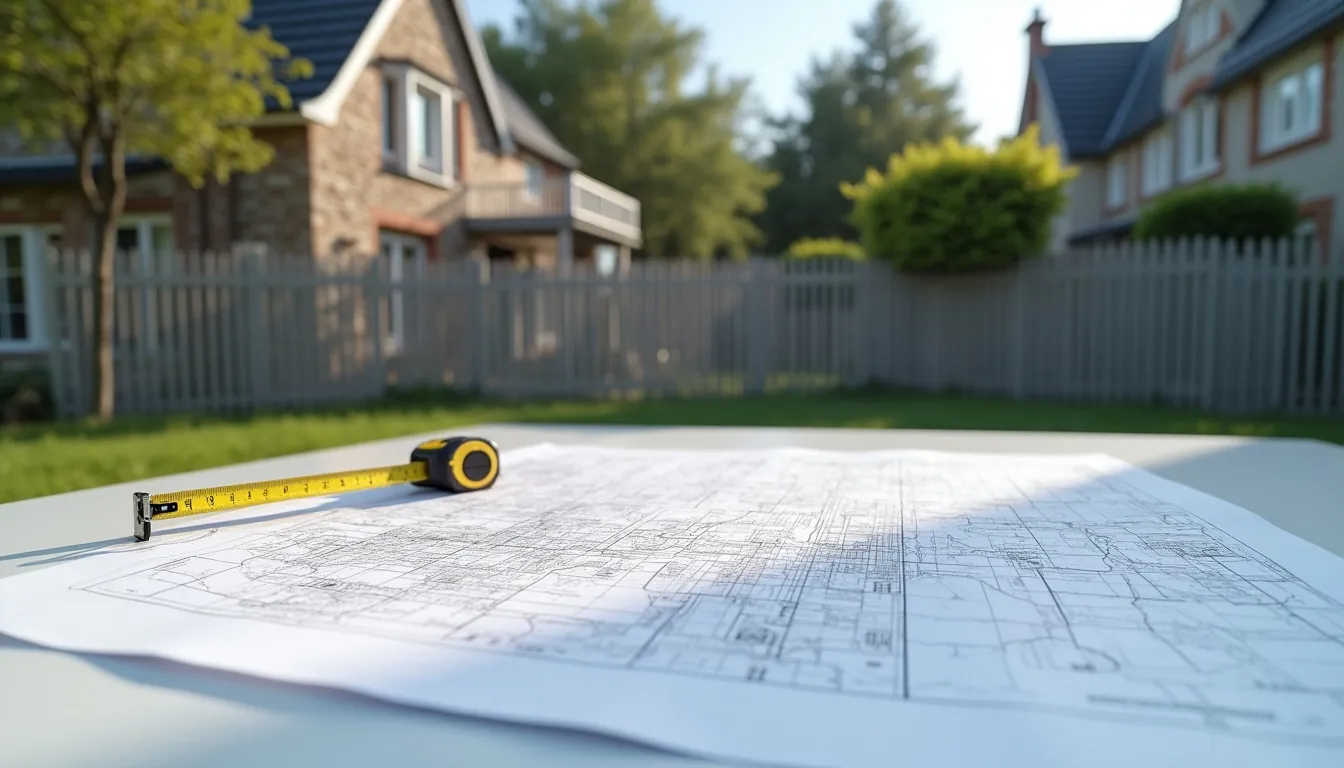
Imagine you have a special drawing that shows exactly where your yard ends and your neighbor’s begins. This drawing is called a survey, and it marks your property line. Sometimes, people disagree about where this invisible line truly is.
These disagreements are called property line disputes, and they can cause big problems between neighbors. It’s like arguing over whose turn it is on a swing set, but with much bigger consequences for your home. This is where a real estate lawyer steps in to help.
Understanding Property Line Disputes
Your property line is like a fence, even if there isn’t one there. It defines the exact boundaries of your land. Knowing these lines is super important for every homeowner.
If you are thinking about building something new, you need to know your lines. If you plant a tree, you want to make sure it’s on your side. These lines protect what is yours.
What They Are
Property line disputes happen when two neighbors have different ideas about where their land ends and the other’s begins. It could be about a few inches or even several feet. This confusion can arise for many reasons, often from old maps or forgotten landmarks.
These disputes are not just small arguments; they can affect your property value and your peace of mind. Getting legal help early on can save you a lot of trouble. A real estate lawyer is an expert in these kinds of property puzzles.
Common Causes
Many things can lead to a property line disagreement. An old fence might have been built in the wrong spot years ago. Sometimes, trees grow large and their branches or roots cross into another yard, causing problems.
Other times, people buy land without getting a new, accurate survey done. The paper deeds they receive might have unclear descriptions. These old descriptions can easily be misunderstood, leading to disagreements down the road.
Practical Example: The Misplaced Fence
Let’s say your neighbor decides to replace their old wooden fence with a brand-new, tall one. You notice the new fence looks like it’s a foot or two into your garden space. You’ve always planted flowers there.
You talk to your neighbor, but they insist the fence is on their land. This is a classic property line dispute. You feel like your space is being taken, and your neighbor feels they are right.
This situation can quickly become stressful and unfriendly. A real estate lawyer can help you figure out exactly where the property line truly is. They can also help you talk to your neighbor fairly.
How a Real Estate Lawyer Helps
When you face a property line dispute, a real estate lawyer is your best friend. They know all about the rules for land ownership. They can look at important papers and help you understand your options.
Their goal is to solve the problem in a way that is fair for everyone. They work to protect your rights to your property. Let’s look at how they do this important work.
Reviewing Documents
First, your real estate lawyer will ask to see all your important property papers. These include your property deed, which is like your land’s birth certificate. They will also look at any surveys you have, which are maps drawn by professionals showing your land’s exact shape and size.
These documents might have confusing language or old measurements. Your lawyer understands these terms perfectly. They can spot clues that might show where the true line lies.
Negotiation
Often, the best way to solve a dispute is by talking things out. Your real estate lawyer can talk to your neighbor or their lawyer for you. They can explain your side clearly and calmly.
They try to find a solution that both you and your neighbor can agree on. This is called negotiation. It’s like finding a compromise, so everyone feels like they’ve won a little bit.
Mediation
If talking directly doesn’t work, a lawyer might suggest mediation. Mediation involves a neutral person, called a mediator, who helps both sides talk and listen. This mediator doesn’t take sides but guides the conversation.
Your real estate lawyer will represent you during mediation. They make sure your interests are heard and understood. Mediation is often a less stressful and quicker way to solve problems than going to court.
Litigation
Sometimes, despite everyone’s best efforts, a dispute can only be settled in court. This is called litigation. If it comes to this, your real estate lawyer will represent you there.
They will present your case to a judge, using all the documents and information they have gathered. Going to court can be complicated, but having a skilled real estate lawyer by your side makes a huge difference. They know the legal process and how to argue for your rights effectively.
Understanding Zoning Disputes
Beyond your property lines, there are also rules about what you can do with your land. These rules are called zoning laws. They are made by your local city or county government.
Zoning laws make sure that neighborhoods are organized and safe. They prevent things like a noisy factory from being built right next to a quiet family home. These rules are very important for community planning.
What is Zoning?
Zoning is like a giant plan for a city or town. It divides the land into different areas, called zones. Each zone has rules about what kind of buildings can be put there.
For example, one zone might be for homes only, another for shops, and another for big businesses. These rules tell you how tall buildings can be and how much of your land you can build on. They ensure that communities grow in an orderly way.
Why Zoning Rules Matter
Zoning rules are important for everyone. They help keep property values stable. They also ensure that there are enough green spaces and safe areas for people to live and play.
Imagine if someone could build a tall, smelly chicken farm right next to your house. Zoning laws prevent such situations, protecting your quality of life. They create a predictable environment for homeowners and businesses alike.
Common Zoning Issues
Even with clear rules, people sometimes run into trouble with zoning. Maybe you want to add a porch to your house, but it breaks a rule about how close you can build to your neighbor’s fence. Or maybe you want to start a small business from home, but the rules say you can’t.
These are examples of zoning issues. They can stop you from using your property the way you want. A zoning law attorney specializes in these specific problems.
Permit Denials
If you want to build something new, like a garage or a big extension, you usually need a permit from the city. This permit is like getting official permission. If your plan doesn’t follow zoning rules, your permit might be denied.
A permit denial can be very frustrating, especially if you’ve already spent money on plans. This is where a real estate lawyer who understands zoning can help. They can review why your permit was denied and tell you if you have options.
Non-Conforming Uses
Sometimes, a building was put up many years ago, and it followed the rules back then. But over time, the zoning rules changed. Now, that old building doesn’t fit the new rules. This is called a “non-conforming use.”
For example, an old corner store in a neighborhood that is now zoned only for homes might be a non-conforming use. If the owner wants to expand or rebuild, they might face problems. A zoning law attorney can explain what rights they have.
Variances and Special Exceptions
What if you really want to build something that doesn’t quite fit the zoning rules? You might be able to ask for special permission. This special permission is called a “variance” or a “special exception.”
A variance is usually granted when following the rules exactly would cause you extra hardship. A special exception is for uses that might be okay in a zone but need extra review. Applying for these can be complicated, and a zoning law attorney is crucial here.
Appeals
If the city or county government makes a decision you don’t agree with, you can often challenge it. This challenge is called an appeal. Maybe they denied your permit, and you believe they were wrong.
An appeal process can be tricky, with strict deadlines and special forms. Your real estate lawyer can guide you through this process. They will help you prepare your arguments and present them to the right people.
Practical Example: Building an Extension
Imagine you want to build a sunroom onto your house. You’ve always dreamed of having this space. You get plans drawn up, but when you apply for a building permit, the city tells you “no.”
They explain that your sunroom would be too close to your back property line according to the zoning rules. This is called a “setback” rule. You feel stuck because your house is shaped in a way that makes it hard to build the sunroom anywhere else.
A real estate lawyer who focuses on zoning laws can help you. They might argue that your specific property makes it unfair to apply the setback rule strictly. They could help you apply for a variance, asking for an exception to the rule.
The Role of a Real Estate Lawyer in Property Disputes
A real estate lawyer is not just someone who goes to court. They are a problem-solver, a guide, and a protector of your property rights. They have a deep understanding of all the laws related to land and buildings.
When you have a dispute about your property, whether it’s a boundary issue or a problem with city rules, your lawyer helps you navigate the complex world of real estate law. They are like a captain steering a ship through choppy waters.
Gathering Evidence
Just like a detective, your real estate lawyer will gather all the facts. They will collect every piece of paper related to your property and the dispute. This includes old surveys, deeds, past agreements, and city records.
They know what documents are most important and what clues to look for. This evidence is vital whether they are negotiating with your neighbor or presenting your case in front of a judge. Strong evidence makes your case much stronger.
Explaining Your Rights
Property laws can be very confusing, even for adults. Your real estate lawyer will explain everything to you in simple terms. They will tell you what the law says you can and cannot do.
They will also explain what your legal rights are in your specific situation. This knowledge helps you make good decisions. You will feel more confident knowing an expert is guiding you.
Communicating with Parties
When emotions are high, it can be hard to talk to neighbors or city officials calmly. Your real estate lawyer can handle these conversations for you. They can communicate clearly and professionally.
They know how to present your case without making the situation worse. This can help keep things friendly, even when there’s a serious disagreement. Having a lawyer speak for you often leads to better outcomes.
Representing You in Court
If your dispute cannot be solved through talking or mediation, your real estate lawyer will represent you in court. They will stand up for you and argue your case in front of a judge. They know all the rules of the courtroom.
They will make sure your story is told clearly and that all your evidence is shown. Having a lawyer means you don’t have to face the legal system alone. They are your champion in the courtroom.
Snippet: A real estate lawyer is like your guide through a maze of property rules, helping you find the right path.
The Role of a Zoning Law Attorney in Land Use Disputes
A zoning law attorney is a special type of real estate lawyer. They focus specifically on the rules about how land can be used. These rules are called zoning ordinances, and they can be different in every town or city.
If you have a problem with what you want to build or how you want to use your land, a zoning law attorney is the person to call. They are experts in navigating the local government rules and departments.
Understanding Local Ordinances
Every city and county has its own set of zoning laws. These “local ordinances” can be hundreds of pages long and very detailed. What’s allowed in one town might be forbidden in another.
A zoning law attorney knows how to read and understand these complex local rules. They can quickly figure out if your plans follow the rules or if you need special permission. This saves you a lot of time and potential headaches.
Navigating Permit Processes
Getting a building permit can feel like going on a scavenger hunt, trying to find the right forms and follow all the steps. There are often many different departments involved. Missing one small detail can cause big delays.
Your zoning law attorney knows exactly how the permit process works in your area. They can help you fill out applications correctly and gather all the necessary paperwork. This makes the whole process smoother and faster for you.
Representing Before Boards
If you need a variance or a special exception, you often have to go before a local government board, like a planning commission or a zoning board. These meetings can be formal, and you might have to explain your case.
A zoning law attorney can represent you at these meetings. They know how to talk to these boards and present your request effectively. They can answer their questions and address any concerns they might have.
Appealing Adverse Decisions
Sometimes, even after you’ve presented your case, a local board might say no to your request. If you believe their decision was unfair or based on wrong information, you can appeal it. This means asking a higher authority to review the decision.
Your zoning law attorney can guide you through the appeals process. They will help you prepare your arguments and file the correct paperwork. They will fight to overturn a decision that you believe is unjust.
Practical Example: New Business in a Residential Area
Suppose you’ve bought a lovely old house and want to turn part of it into a small, quiet art studio where you teach painting classes. You think it’s a great idea for the community. However, your neighborhood is zoned strictly for residential use, meaning only homes are allowed.
When you try to get a permit for your studio, it’s denied because it’s considered a commercial activity. You’re confused because you thought a small home-based business would be fine. This is a land use dispute related to zoning.
A zoning law attorney can help you understand if your city has rules for “home occupations” or if you can apply for a special exception to allow your studio. They might argue that your studio creates no noise or traffic and brings value to the community. They can represent you before the city council or zoning board to make your case.
Specific Types of Property Line Disputes Where a Real Estate Lawyer Can Help
Property line disputes come in many shapes and sizes. They are not always about a fence being in the wrong place. Some involve claims over land that has been used by another person for a long time.
A real estate lawyer knows all these different kinds of disputes. They can help you understand if one of these unique situations applies to your property. Their expertise covers a wide range of boundary issues.
Adverse Possession
Adverse possession is a fancy legal term for someone claiming ownership of your land because they have been using it for a long time without your permission. It’s like if your neighbor has been mowing a part of your yard and putting their garden there for many years.
If they do this openly and continuously for a certain number of years (which varies by state), they might legally be able to claim that part of your land. A real estate lawyer can help you defend against such claims or understand if you have one. They can guide you through the specific state laws.
Easements
An easement is a right for someone else to use a part of your land for a specific purpose. For example, the power company might have an easement to run power lines across your backyard. Or a neighbor might have an easement to drive across your driveway to get to their house.
Disputes often arise when someone blocks an easement or uses it in a way that wasn’t intended. Your real estate lawyer can explain what easements exist on your property and what they mean. They can help resolve conflicts over who can use what part of your land.
Encroachments
An encroachment happens when a part of your neighbor’s property, like a shed, a fence, or even tree branches, extends onto your land. It’s like a neighbor’s object “creeping” over your property line. These can block your use of your own land.
It can also cause damage or lower your property value. A real estate lawyer can help you prove the encroachment with a survey. They can then help you demand that your neighbor remove the encroaching item.
Trees and Boundary Lines
Trees often grow large and extend across property lines. Their branches might hang over your yard, or their roots might spread under your lawn. This can lead to arguments about who is responsible for trimming, falling leaves, or even damage caused by roots.
A real estate lawyer understands the “tree laws” that vary by state and local area. They can advise you on your rights regarding trees on or near your property line. They can help you resolve disputes with neighbors about shared trees.
Here’s a table showing some common property line issues and how a lawyer helps:
| Issue Type | Description | How a Real Estate Lawyer Helps |
|---|---|---|
| Fence Dispute | Neighbor builds a fence on your side of the property line. | Reviews surveys, negotiates, demands removal, or seeks court order. |
| Adverse Possession | Neighbor claims ownership of your land by using it for years. | Researches legal requirements, defends your title, or helps you make a claim. |
| Easement Dispute | Conflict over someone’s right to use part of your land. | Explains easement terms, clarifies rights and responsibilities, resolves blockages or overuse. |
| Encroachment | Structure (shed, garage) extends onto your property. | Confirms boundary via survey, demands removal, negotiates solutions, or litigates. |
| Shared Trees | Disputes over responsibility for trees on or near the line. | Explains local tree laws, facilitates agreements on trimming/maintenance, resolves damage claims. |
| Unclear Deeds | Property description in deed is vague, leading to confusion. | Interprets historical documents, recommends new surveys, works to clarify legal boundaries. |
Specific Types of Zoning Disputes Where a Zoning Law Attorney Can Help
Zoning laws cover many different aspects of land use. They dictate not just what you can build, but how you can build it. These details are important for maintaining the character and safety of a community.
A zoning law attorney knows all these specific rules. They can help you understand how they apply to your project. This is crucial whether you are building a small shed or a large commercial property.
Residential vs. Commercial Zoning
The most basic zoning rule separates residential areas (for homes) from commercial areas (for businesses). This distinction is very important for how communities function. You can’t usually build a factory in a neighborhood meant for homes.
If you want to change the use of your property, like turning a house into a business, you might face zoning challenges. A zoning law attorney can help you apply for a “zoning change” or a “conditional use permit” if needed. They will explain if your plans are even possible under local law.
Setback Requirements
Setback rules dictate how far back a building or structure must be from your property lines. This prevents houses from being built too close to each other. It also ensures enough space for light, air, and safety.
If your building plans violate a setback rule, your permit will be denied. A zoning law attorney can help you understand these rules and, if necessary, seek a variance. They can argue that a small deviation won’t harm the neighborhood.
Height Restrictions
Zoning laws also often include rules about how tall a building can be. These “height restrictions” are important for maintaining the skyline of a neighborhood and ensuring that one building doesn’t block another’s view or sunlight. For example, you can’t usually build a skyscraper in a neighborhood of single-story homes.
If you want to add a second story to your house, you need to make sure it doesn’t exceed the height limit. If it does, a zoning law attorney can help you understand your options. They can assist with applying for an exception if your case has special circumstances.
Environmental Regulations
In some areas, there are special zoning rules to protect the environment. These can involve protecting wetlands, preserving historical trees, or controlling what you can build near rivers or lakes. These rules are put in place to keep our natural world healthy.
If your property is in an environmentally sensitive area, you’ll have extra rules to follow. A zoning law attorney can help you navigate these complex environmental regulations. They ensure your project complies with all local and federal environmental protection laws.
Here’s a list of common zoning issues where a zoning law attorney can help:
- Building Permit Denials: When your construction plans are rejected due to zoning rule violations.
- Use Restrictions: When you want to use your property in a way that is not allowed (e.g., running a business in a residential zone).
- Variances & Exceptions: Helping you apply for special permission to deviate from standard zoning rules.
- Non-Conforming Uses: Dealing with properties that no longer fit current zoning laws.
- Zoning Changes/Amendments: Assisting if you want to change the zoning classification of your land.
- Historic District Regulations: Navigating special rules for properties in historically protected areas.
- Appeals: Challenging a decision made by a zoning board or planning commission.
- Environmental Zoning: Understanding and complying with rules related to wetlands, floodplains, or protected species.
- Signage Rules: Helping businesses comply with local rules about signs.
- Parking Requirements: Ensuring your property has enough parking spaces as required by zoning laws.
Why You Need a Real Estate Lawyer for Land Use Disputes
When you own property, it’s one of the biggest investments you’ll ever make. Protecting that investment is incredibly important. Facing a property line or zoning dispute without help can be risky and costly.
A real estate lawyer is not just an expense; they are an investment in protecting your home and your peace of mind. They bring expertise that you simply can’t get on your own. Let’s see why they are so valuable.
Complex Laws
Real estate laws are like a giant puzzle with many tiny pieces. They are often written in old-fashioned, hard-to-understand language. There are also state laws, city laws, and local ordinances, all of which can apply.
Trying to understand all these laws on your own can be overwhelming. A real estate lawyer has spent years studying these rules. They can quickly find the information that applies to your specific situation and explain it to you simply.
Saving Time and Money
You might think hiring a lawyer costs a lot of money. However, trying to handle a dispute yourself can end up costing you much more in the long run. You could make a mistake that leads to bigger legal problems or costly construction delays.
A real estate lawyer can help you resolve issues quickly and efficiently. They can prevent costly errors, avoid lengthy court battles, and ensure you don’t lose value on your property. Their expertise often saves you money in the long run.
Peace of Mind
Disputes with neighbors or the city can be very stressful. They can make you feel anxious and worried about your home. You might lose sleep thinking about the problem.
Having a real estate lawyer on your side brings immense peace of mind. You know that an expert is handling the problem. You can relax knowing that your rights are being protected by someone who knows what they’re doing.
Protecting Your Property Rights
Your property rights are very important. They determine what you can do with your land and what others cannot do on it. These rights are protected by law.
When these rights are challenged, either by a neighbor or by a government decision, you need someone to defend them. A real estate lawyer is dedicated to making sure your property rights are respected and upheld. They will fight for your ability to enjoy and use your property as you legally should.
Choosing the Right Real Estate Lawyer
When you need help with a property line or zoning dispute, it’s important to choose the right real estate lawyer. Not all lawyers are experts in the same areas. You want someone who specifically understands real estate law and land use disputes.
Finding the right person can make a big difference in how your problem is solved. Here are a few things to look for when choosing your legal helper.
Experience
You want a real estate lawyer who has experience with cases just like yours. Ask them if they have helped other people with property line issues or zoning problems. An experienced lawyer has seen many different situations and knows how to handle them.
They will be familiar with the common challenges and the best ways to solve them. Their experience means they can anticipate problems before they arise. This can save you time and stress.
Local Knowledge
Real estate and zoning laws can be very specific to your city or county. A real estate lawyer who works in your local area will know the local rules and local officials. They will also be familiar with the local courts and government departments.
This local knowledge is extremely valuable. It means they can navigate the system more effectively and might even know the people involved. They know the ins and outs of your specific community’s rules.
Communication
It’s really important that your real estate lawyer can explain things to you in a way you understand. They should be able to take complex legal terms and make them simple. You should feel comfortable asking them questions.
Choose a lawyer who listens to you and keeps you updated on your case. Good communication ensures you always know what’s happening. You want someone who makes you feel supported and informed, not confused.
Conclusion
Property line and zoning disputes can turn a simple dream of homeownership into a complicated nightmare. Whether it’s a disagreement about a boundary fence or a denied permit for your dream addition, these issues require expert help. That’s where a skilled real estate lawyer comes in.
They are your legal guide, helping you understand complex rules, gather crucial evidence, and talk to all the people involved. From negotiating with neighbors to representing you in court, a real estate lawyer protects your most valuable asset. If you ever find yourself in a land use dispute, remember that professional legal help can make all the difference.