 Ur Lawyer






Common Mistakes Homebuyers Make Without a Real Estate Lawyer
Buying a home is often the biggest purchase you will ever make. It’s an exciting time, filled with dreams of new memories and beautiful spaces. However, this big dream can quickly turn into a nightmare if you don’t have the right help. You might make many common mistakes without a real estate lawyer by your side.
Think of it like building a treehouse without reading the instructions or having an adult help. Things can go wrong, and someone might get hurt. A real estate lawyer is like that helpful adult for your home purchase. They make sure everything is safe and sound for you.
Why a Real Estate Lawyer is Your Home-Buying Hero
You might wonder if you really need another person involved when buying a house. A real estate lawyer is not just another person; they are your legal protector. They understand all the rules and tricky parts of buying property. Their main job is to keep you safe from legal problems and expensive surprises.
They make sure your dream home doesn’t come with hidden problems that could cost you a lot of money later. Hiring a real estate lawyer is one of the smartest decisions you can make. They guard against many common buyer legal mistakes.
Not Just for Big Problems: Small Details Matter
Sometimes, it’s the tiny details you don’t even notice that can cause big trouble. A real estate lawyer looks at every single word in your contracts and documents. They spot little things that might seem harmless but could lead to property purchase risks. You might not see these details because you’re not trained to look for them.
They ensure all the small print works in your favor, not against you. This careful checking prevents many future headaches. It’s like having someone check every screw and nail in your treehouse before you climb in.
Protecting Your Biggest Investment
Your new home is probably the most money you will ever spend. This makes it your biggest investment. You wouldn’t put all your savings into something without protecting it, right? A real estate lawyer provides that crucial protection.
They shield you from problems like hidden debts on the house or issues with the land itself. Their expertise is your best defense against unexpected property purchase risks. This ensures your big investment is secure.
Mistake 1: Skipping the Contract Review
Imagine signing a paper without reading it, promising to give away your favorite toy. That’s a bit like signing a home purchase contract without understanding it. It’s one of the biggest buyer legal mistakes you can make. The contract is a very important document that lays out everything about your home purchase.
You need to know exactly what you are agreeing to. A real estate lawyer will read every word for you. They make sure you understand all the terms and conditions.
What is a Contract?
A contract is simply a legal agreement between two people or groups. When you buy a house, the contract is between you (the buyer) and the person selling the house (the seller). It says what each person promises to do. This document includes the price, the date you get the keys, and other important rules.
It’s like the rulebook for your home purchase. A real estate lawyer makes sure the rules are fair for you. They help prevent future arguments or misunderstandings.
Hidden Clauses and What They Mean
House contracts can have tricky parts called “clauses.” These are like special rules buried within the main agreement. You might not understand what they mean or how they affect you. Many property purchase risks hide in these clauses.
A real estate lawyer can explain these hidden clauses in simple terms. They make sure you are not accidentally agreeing to something unfair. They are your guide through this complex legal language.
The “As-Is” Trap
One common tricky clause is “as-is.” If you agree to buy a house “as-is,” it means you are buying it exactly how it is right now. The seller won’t fix anything, even if something is broken. You take on all the repair costs yourself.
A real estate lawyer would point this out and explain the risks. They might suggest adding a way for you to back out if the house needs too many expensive repairs. This protects you from unexpected bills.
Financing Contingency Confusion
Another clause is the “financing contingency.” This rule says you only have to buy the house if you can get a loan from the bank. If you can’t get a loan, you don’t have to buy the house, and you get your money back. If this clause is missing or poorly written, you could be forced to buy the house even without a loan.
Your real estate lawyer makes sure this crucial protection is in your contract. They help you avoid serious financial buyer legal mistakes. This ensures you are protected if your loan doesn’t come through.
Things a Real Estate Lawyer Checks in a Contract
- Purchase Price and Payment Terms: Is the price correct? How will you pay?
- Closing Date: When will you officially own the house?
- Contingencies: Are there rules for inspection, financing, or appraisal?
- Seller Disclosures: Has the seller told you about known problems with the house?
- Inclusions/Exclusions: What items come with the house (appliances, curtains)? What doesn’t?
- Deposit Protection: What happens to your deposit money if the deal falls through?
- Title Review: Are there any hidden claims on the property?
Mistake 2: Ignoring Property Title Issues
Imagine buying a cool toy, but then someone else comes along and says, “Actually, that’s my toy!” That’s what a “title issue” can feel like for a house. It’s a serious property purchase risk. Many homebuyers ignore these problems without a real estate lawyer.
You want to make sure the person selling you the house truly owns it and has the right to sell it. A real estate lawyer investigates this for you. They look for any hidden claims or debts tied to the property.
What is a Property Title?
The “title” to a property is like the ownership certificate for your house. It’s a document that shows who legally owns the land and the buildings on it. A clear title means the seller is the true owner and there are no other major claims against the property. This is very important.
Your real estate lawyer works to get you a “clear title.” This makes sure no one else can later say they own part of your house. It gives you true peace of mind.
Why Clear Title Matters
If the title isn’t clear, it means someone else might have a legal right to the house. This could be an old owner, a bank, or even the government. You could end up buying a house that isn’t fully yours, or one with hidden debts. This is a huge buyer legal mistake.
A real estate lawyer orders a “title search” to check for these problems. They make sure you get full, clean ownership of your new home. This protects your investment from past issues.
Discovering Old Debts (Liens)
Sometimes, previous owners didn’t pay their bills, like taxes or contractor fees. These unpaid debts can be attached to the house itself, called a “lien.” If you buy the house, you could become responsible for paying those old debts! A real estate lawyer finds these liens during the title search. They make sure the seller pays them off before you buy the house. This stops old debts from becoming your problem.
Understanding Shared Rights (Easements)
An “easement” is a legal right that lets someone else use a part of your property for a specific reason. For example, the power company might have an easement to access power lines that cross your backyard. Or a neighbor might have the right to walk across your driveway to get to their garage. You need to know about these.
Your real estate lawyer identifies any easements. They explain how these shared rights might affect your use of the property. This helps you understand exactly what you are buying.
Common Title Problems and a Lawyer’s Role
| Title Problem | What it Means | Real Estate Lawyer’s Role |
|---|---|---|
| Liens | Unpaid debts (taxes, loans) attached to the property. | Identifies liens, ensures seller pays them off before closing. |
| Easements | Someone else has the right to use part of your land. | Explains the nature of the easement and its impact on your property use. |
| Boundary Disputes | Confusion over where property lines truly are. | Reviews surveys, clarifies boundaries, resolves conflicts. |
| Errors in Public Records | Mistakes in official documents about the property. | Finds and corrects errors, ensuring accurate ownership records. |
| Missing Heirs | Former owner died, and all rightful heirs didn’t agree to sell. | Verifies all owners have legally agreed to the sale, preventing future claims. |
Mistake 3: Misunderstanding Local Zoning Laws and Permits
Every town has rules about what you can build on land and how you can use buildings. These are called “zoning laws.” Imagine buying a house, hoping to add a new room, only to find out the town won’t let you! This is a classic buyer legal mistake. Without a real estate lawyer, you might not check these important rules.
You need to know if the house or any part of it was built without proper permission. A real estate lawyer can help investigate these rules. They make sure your plans for the house are allowed.
What are Zoning Laws?
Zoning laws are rules set by your local government. They decide what kind of buildings can be in certain areas (like houses, shops, or factories). They also set rules for how tall buildings can be, how close they can be to the street, and how big your yard must be. These rules aim to keep neighborhoods organized and safe.
Your real estate lawyer can help you understand these rules for your specific property. They check if the house meets all the local requirements. This prevents future legal trouble with the town.
The Problem with Unpermitted Work
Sometimes, people build additions or make big changes to their houses without getting official permission (called a “permit”) from the town. This is “unpermitted work.” You might buy a house with a beautiful new deck, but if it was built without a permit, the town could make you tear it down! This is a significant property purchase risk.
A real estate lawyer can ask for records to see if all major changes had permits. If there’s unpermitted work, they can advise you on the risks and potential solutions. This helps you avoid fines or forced demolition.
Garage Conversion Gone Wrong
Imagine you find a house with a lovely extra bedroom. The seller tells you it used to be a garage, but they converted it. You’re excited about the extra space! However, a real estate lawyer might discover this conversion was done without a permit. The room might not meet safety standards, and the town could demand you change it back into a garage, costing you a lot of money and losing that extra room.
Your real estate lawyer helps you understand these risks. They can advise you on how to proceed. This protects you from buying a house that doesn’t meet legal standards.
Future Expansion Headaches
Perhaps you dream of adding a second story to your new home someday. A real estate lawyer can check the zoning laws to see if your property allows for such an addition. You might find out that your lot is too small, or the height restrictions won’t allow it. This knowledge upfront is invaluable.
Knowing these limitations before you buy can save you from future disappointment and costly buyer legal mistakes. It ensures your long-term plans for the house are possible.
Mistake 4: Missing Important Deadlines
Buying a house is like a race with many different checkpoints and finish lines. Each step has a deadline, a specific date by which something must happen. Missing these deadlines can have serious consequences. You could lose your deposit, or the seller might cancel the deal. This is a common oversight and a significant buyer legal mistake.
You need someone to keep track of all these dates for you. A real estate lawyer acts like your personal deadline manager. They ensure everything happens on time.
Time is Money in Real Estate
In real estate, “time is of the essence” is a common phrase. It means that all dates and times in the contract are extremely important. If you miss a deadline, even by a day, you could be breaking the contract. This could mean losing the house or losing the money you’ve already put down.
A real estate lawyer ensures you understand the importance of each deadline. They help you avoid costly mistakes. This helps keep your home purchase on track.
What Happens if You Miss a Deadline?
Imagine you have a deadline to get your loan approval, but you forget to send a document to the bank on time. The deadline passes, and suddenly, you might lose your deposit money. The seller could then decide to sell the house to someone else. This is a real property purchase risk.
A real estate lawyer ensures all parties, including your lender, meet their deadlines. They communicate with everyone to keep the process moving smoothly. This prevents you from accidentally losing your dream home.
Key Deadlines a Real Estate Lawyer Tracks
- Inspection Period: The time you have to get the house inspected for problems.
- Loan Commitment: The date by which your bank must officially approve your loan.
- Appraisal Contingency: The period for the house to be valued by an independent expert.
- Document Review: The time to review important papers like title reports.
- Closing Date: The final date you sign all papers and become the owner.
- Deposit Due Dates: When different parts of your down payment are expected.
Mistake 5: Not Understanding Closing Costs
When you buy a house, the price you agree to pay the seller is not the only money you’ll spend. There are many extra fees and charges called “closing costs.” These can add up to thousands of dollars. You might be surprised by how much these costs are. This is a common area of buyer legal mistakes.
You need to know exactly what these costs are for. A real estate lawyer explains every fee to you. They make sure you are not paying for things you shouldn’t.
Beyond the Sale Price
Think of it like buying a new video game console. You pay for the console, but then you also need to buy games, extra controllers, and maybe a protective case. Closing costs are like those extra things for your house. They are necessary fees for different services involved in the sale. You usually pay them on the day you officially close on the house.
Your real estate lawyer reviews all these costs. They help you budget for them. This prevents any last-minute financial surprises.
Unexpected Fees That Add Up
Many different people and services get paid at closing. These can include fees for your loan, for checking the title, for recording the sale with the government, and more. Each one costs money. You might not realize how many different fees there are. These unexpected fees represent significant property purchase risks.
A real estate lawyer carefully examines the “Closing Disclosure” document. This paper lists every single fee. They check for errors and explain each charge to you clearly.
The Mystery of Title Insurance
Title insurance is a special type of insurance you buy to protect yourself if there’s a problem with the house’s title in the future. For example, if an old debt pops up that wasn’t found during the initial title search, the title insurance helps cover it. It’s a crucial protection for your ownership. You might wonder if you really need it.
Your real estate lawyer explains why title insurance is important. They ensure you get the right coverage. This protects your ownership from unexpected historical issues.
Transfer Taxes: Who Pays?
Some states and cities charge a “transfer tax” when a property is sold. This is a fee for transferring ownership from the seller to you. The amount can vary greatly. You might not know who usually pays this tax in your area (buyer or seller) or how much it will be.
A real estate lawyer clarifies these taxes for you. They make sure the agreement correctly states who is responsible for paying them. This prevents arguments or unexpected costs at closing.
A Real Estate Lawyer’s Role in Closing Costs
“A real estate lawyer is invaluable when it comes to understanding closing costs. They scrutinize the Closing Disclosure, a document that can be 3-5 pages long, line by line. They identify questionable charges, explain necessary fees like title insurance and escrow, and ensure that all charges align with the purchase agreement. This protection against hidden or inflated fees can save homebuyers thousands of dollars, making them essential for avoiding costly financial buyer legal mistakes during the final stages of a home purchase.”
Mistake 6: Overlooking Environmental Concerns
Imagine buying a house and then finding out there are hidden dangers inside the walls or under the floors. These dangers could be harmful to your health. This is a scary property purchase risk. You might not know what to look for or what questions to ask. This can be a major buyer legal mistake.
You need to make sure your new home is a safe and healthy place to live. A real estate lawyer can advise you on environmental disclosures. They ensure you understand potential hazards.
Is Your Dream Home Safe?
Some older homes, or homes in certain areas, might have hidden environmental issues. These are not always obvious during a quick walk-through. You want to be sure the air you breathe and the water you drink in your new home are safe. These concerns can be serious.
A real estate lawyer makes sure the seller provides all required information about environmental hazards. They can also advise on inspections for specific issues. This helps you make an informed decision about your home’s safety.
Hidden Dangers
Things like lead paint, asbestos, or radon gas can be present in homes. Lead paint was used in older homes and can be dangerous if it chips or flakes. Asbestos was used in building materials and can cause lung problems if disturbed. Radon is a natural gas that can seep into homes and is a health risk. You need to know if these are present.
Your real estate lawyer helps ensure the seller provides any mandatory disclosures about these substances. They can recommend further testing if necessary. This helps you protect your family’s health.
Old Homes and Lead Paint
If you are buying a home built before 1978, it might have lead-based paint. Sellers are legally required to tell you about any known lead paint and give you an EPA-approved pamphlet. However, you might not fully understand the implications.
A real estate lawyer ensures these disclosures are properly made and understood. They can also advise on your right to an inspection for lead hazards. This allows you to address the issue safely.
Radon Gas: An Invisible Threat
Radon is an odorless, colorless gas that you cannot see or smell. It comes from the natural breakdown of uranium in soil, rock, and water and gets into the air you breathe. High levels of radon can cause lung cancer. You might not even think to test for it.
Your real estate lawyer can advise you on radon testing. They ensure any contract contingencies related to environmental testing are in place. For more information, you can visit the EPA’s website on radon. This helps protect your family from invisible threats.
Mistake 7: Thinking a Real Estate Agent is Enough
Real estate agents are wonderful professionals who help you find a house and negotiate the price. They are experts in the housing market. However, their job is different from a real estate lawyer. Thinking an agent can do everything a lawyer does is a big buyer legal mistake. It exposes you to various property purchase risks.
You need both a real estate agent and a real estate lawyer for a complete team. They each have important, but different, roles. They work together to make your home purchase successful.
Different Roles, Different Expertise
Imagine your real estate agent as your guide to finding the perfect trail and your real estate lawyer as the expert who ensures the trail itself is legally sound and safe for you to walk on. The agent focuses on the market, showing properties, and getting a good price. The lawyer focuses on the legal safety of the transaction. You need both for a smooth journey.
They each bring specialized knowledge to your home buying process. Understanding their distinct roles is key. This prevents you from relying on one professional for tasks outside their expertise.
The Agent’s Job vs. The Lawyer’s Job
A real estate agent helps you search for homes, gives advice on prices, and helps you write up an offer. They are great at finding the right house for you. However, they are not trained in legal matters. They cannot give you legal advice. This is where a real estate lawyer steps in.
A real estate lawyer reviews contracts, checks titles, deals with legal problems, and represents you in court if something goes wrong. They protect your legal rights. You wouldn’t ask your agent to interpret complex legal clauses, just as you wouldn’t ask your real estate lawyer to show you open houses.
Real Estate Agent vs. Real Estate Lawyer
| Feature | Real Estate Agent | Real Estate Lawyer |
|---|---|---|
| Primary Role | Market expert, property search, negotiation, pricing | Legal expert, contract review, title issues, legal advice |
| Focus | Finding the right property, securing a deal | Protecting your legal rights and financial investment |
| Advises On | Market trends, property values, offer strategies | Legal clauses, title defects, zoning, closing documents |
| Responsibility | Facilitating the sale/purchase | Ensuring legal compliance and mitigating risks |
| Can Draft | Purchase offers, comparative market analyses | Legal contracts, deeds, affidavits, legal opinions |
| Cost | Typically a commission paid by seller | Flat fee or hourly rate, paid by buyer |
Mistake 8: Forgetting About Property Surveys
Think about buying a piece of land or a house, but you’re not entirely sure where your property ends and your neighbor’s begins. This can lead to big arguments later. Forgetting to get a property survey is another common buyer legal mistake. Without a survey, you might inadvertently acquire property purchase risks.
You need to know the exact boundaries of your land. A real estate lawyer often recommends or arranges for a property survey. They make sure you know exactly what you own.
What is a Survey?
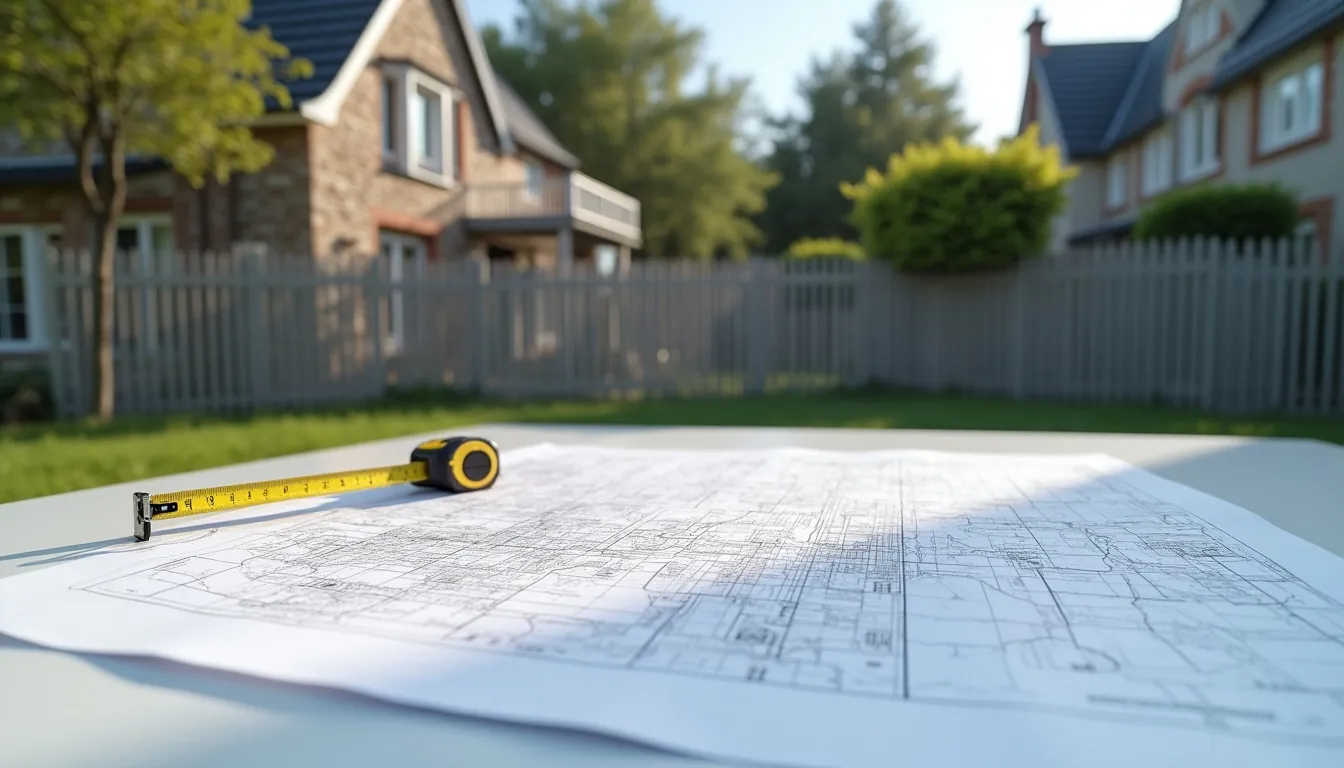
A property survey is like drawing a very accurate map of your land. A professional surveyor measures your property. They mark the exact corners and boundaries. They also show where the house sits, where driveways are, and if any fences or buildings cross the line. It’s a precise blueprint of your land.
This map helps clear up any confusion about where your property starts and ends. It provides important details about your land. It prevents future boundary disputes with neighbors.
Why It Matters
If you don’t have a survey, you might think a certain part of the yard is yours, but it actually belongs to your neighbor. Or maybe your neighbor’s fence is actually on your property. These issues can cause legal battles and cost you a lot of money to fix. This is a significant property purchase risk.
A real estate lawyer reviews the survey results. They compare it to the legal description of the property. This ensures you know exactly what you are buying and helps avoid boundary conflicts.
The Neighbor’s Fence is on Your Land!
Imagine buying a house, and a few months later, your new neighbor tells you their fence, which you thought was the boundary, is actually several feet onto your property. They demand you move it or pay them for the land it sits on. This is a stressful situation. You might have to pay for an expensive legal fight or lose part of your yard.
A real estate lawyer would have caught this with a survey review before you bought the house. They would have helped resolve the issue with the seller or neighbor then. This prevents unexpected property line disputes.
Mistake 9: Not Planning for Unexpected Problems
Buying a house rarely goes perfectly. There can be bumps in the road, like a bad inspection report or a loan delay. If you don’t plan for these possibilities, you could lose money or the house. Not having protections in place is a serious buyer legal mistake.
You need a plan B for these “what if” scenarios. A real estate lawyer helps you put these protections, called “contingencies,” into your contract. They prepare you for anything that might go wrong.
Life Happens: What if the Deal Falls Through?
Sometimes, despite everyone’s best efforts, a home purchase doesn’t work out. Maybe the house appraisal comes in too low, or the inspection finds a major problem the seller won’t fix. If the deal falls apart, you want to make sure you get your deposit money back. This is a critical financial concern.
A real estate lawyer writes your contract in a way that protects your deposit. They ensure there are clear rules for when you can back out without penalty. This safeguards your hard-earned money.
Protecting Your Deposit
Your deposit (often called “earnest money”) is a significant amount of money you give early in the process. It shows the seller you are serious. If the deal falls through, and you don’t have the right protections in your contract, the seller might keep this money. This is a major property purchase risk.
A real estate lawyer ensures your contract includes specific “contingency clauses.” These clauses say that if certain conditions aren’t met, you can cancel the deal and get your deposit back. They are your financial safety net.
Common Contingencies a Real Estate Lawyer Helps With
- Inspection Contingency: Allows you to back out if the home inspection reveals serious flaws.
- Financing Contingency: Lets you cancel if you cannot secure a mortgage loan.
- Appraisal Contingency: Protects you if the house appraises for less than the purchase price.
- Sale of Current Home Contingency: If you need to sell your existing home before buying the new one.
- Title Contingency: Gives you the right to cancel if there are serious title problems.
- Due Diligence Contingency: A broad clause allowing you to investigate various aspects of the property.
Mistake 10: Going It Alone: The Biggest Buyer Legal Mistake
The biggest buyer legal mistake you can make is trying to handle the entire home purchase process by yourself. You might think you’re saving money by not hiring a real estate lawyer. However, this can cost you much more in the long run. Without expert help, you’re open to all the property purchase risks mentioned above and more.
You don’t have to be a legal expert to buy a house. That’s what a real estate lawyer is for. They are your trusted guide through this complicated journey.
Why Taking Risks Isn’t Worth It
Imagine crossing a busy street blindfolded to save a few seconds. That’s how risky it can be to buy a house without a real estate lawyer. The legal documents are complex, the deadlines are strict, and the financial risks are huge. You’re putting your biggest investment at risk.
You deserve to feel confident and secure in your home purchase. A real estate lawyer provides that confidence. They minimize your exposure to unexpected problems.
The Cost of Not Having a Real Estate Lawyer
People often focus on the upfront cost of hiring a real estate lawyer. But what about the cost of not having one? If you face a title issue, a zoning problem, or a contract dispute, fixing those problems can cost tens of thousands of dollars. These costs far outweigh the lawyer’s fee. It’s often pennies to prevent dollars of problems.
A real estate lawyer is an investment in your peace of mind and financial security. They save you from potential future nightmares. Their expertise helps you avoid devastating buyer legal mistakes.
The Value of a Real Estate Lawyer
“Hiring a real estate lawyer is not an expense, it’s an investment in protection. For a relatively small fee, they provide comprehensive legal oversight, reviewing complex contracts, uncovering hidden property purchase risks like liens or unpermitted work, and ensuring all legal deadlines are met. Their role is to prevent costly buyer legal mistakes that could otherwise lead to significant financial loss or future legal disputes. They essentially act as your shield, safeguarding your largest financial commitment and ensuring a smooth, secure path to homeownership.”
How a Real Estate Lawyer Protects You
You can see now how many ways a real estate lawyer protects you. They are involved in every major step of your home buying journey. They are your dedicated advocate, looking out for your best interests.
They make sure you understand everything you are signing. They also ensure the deal is fair and legally sound for you. Their presence helps you navigate the entire process with confidence.
Before You Sign Anything
Before you even make an offer, your real estate lawyer can review any pre-contract documents. Once you’re ready to make an offer, they carefully review the purchase agreement. They explain all the terms in simple language. This ensures you know what you’re getting into before you commit.
They add important clauses that protect you. This early involvement prevents many buyer legal mistakes from even starting. They ensure your initial steps are on solid legal ground.
During the Purchase Process
Throughout the weeks between signing the contract and closing, many things happen. Your real estate lawyer coordinates with the title company, your lender, and the seller’s lawyer. They review the title search results, survey, and any other important documents. They also make sure all deadlines are met.
If any issues pop up, like an unexpected repair need or a problem with the loan, your real estate lawyer steps in to handle it. They negotiate solutions on your behalf. This prevents minor issues from becoming major property purchase risks.
At Closing
On the day you become the official owner, your real estate lawyer is right there with you. They review all the final documents, including the deed and the Closing Disclosure. They ensure all the numbers are correct and there are no last-minute surprises. They also answer any questions you have.
Their presence at closing provides reassurance. They make sure the transfer of ownership is legally flawless. This final check ensures your dream home truly becomes yours, without hidden problems.
Conclusion
Buying a home is one of life’s most exciting adventures, but it’s also one of the most complex. The journey is full of legal steps and potential pitfalls that can turn a dream into a disaster. You now understand the common buyer legal mistakes homebuyers often make when they try to go it alone. Ignoring a real estate lawyer leaves you vulnerable to significant property purchase risks, from hidden contract clauses to unexpected debts and environmental hazards.
By having a real estate lawyer on your team, you ensure every document is reviewed, every deadline is met, and your biggest investment is protected. They are your legal safeguard, guiding you through the intricacies of real estate law. Don’t let your dream home become a source of stress or financial loss.
Don’t Make These Mistakes: Consult a Real Estate Lawyer Today
You deserve to buy your home with peace of mind and confidence. If you’re thinking about buying a property, protect yourself from these common mistakes. Connect with a qualified real estate lawyer in your area to discuss your home purchase. Their expertise is an invaluable investment in your future.