 Ur Lawyer





how-lawyers-prove-fault-in-wet-floor-and-ice-related-accidents.md
Imagine you’re walking in a store, and suddenly, your feet slip out from under you. You fall to the ground, perhaps feeling a sharp pain. This kind of accident, often called a slip and fall, can happen quickly and unexpectedly.
When you get hurt because of a wet floor or icy path, you might wonder who is responsible. Proving fault in these situations can be tricky, but it’s where a knowledgeable slip and fall lawyer comes in to help you. They understand the rules and how to gather the right clues.
What is a Slip and Fall Accident?
A slip and fall accident happens when someone slips, trips, or falls due to a dangerous condition on someone else’s property. These conditions can include spilled liquids, uneven surfaces, or patches of ice. When these accidents lead to injuries, it often means the property owner might not have kept their area safe.
Many people get seriously hurt in these kinds of accidents. It’s not just a minor bump; sometimes, it can lead to broken bones or even head injuries. If this happens to you, knowing your rights is very important.
Why Proving Fault Matters
Proving fault means showing that someone else was to blame for your accident. If you can prove someone else was at fault, you might be able to get money to help with your medical bills. This money can also cover lost wages if you can’t work due to your injury.
A slip and fall lawyer helps you collect all the necessary information to show who was truly responsible. They guide you through the whole process, which can sometimes feel confusing. Their goal is to make sure you get fair treatment and proper compensation for your injuries.
The Basics of Proving Fault: Understanding Negligence
To prove fault in a wet floor accident or an ice slip liability case, lawyers often talk about something called “negligence.” This simply means that someone acted carelessly and that their carelessness caused your injury. It’s like when you’re supposed to be careful, but you weren’t.
There are four main parts to showing negligence. Each part is like a step in a ladder that your slip and fall lawyer needs to climb. Let’s look at them one by one in simple terms.
H3: The Duty of Care
Every property owner has a “duty of care” to people who visit their property. This means they must make sure their property is reasonably safe for visitors. For example, a store owner should make sure the aisles are clear and dry.
This duty of care depends on why you were on the property. If you were invited, like a customer in a store, the owner owes you a high level of care. They should actively look for dangers and fix them.
H3: Breach of Duty
A “breach of duty” means the property owner failed to do their job of keeping the property safe. They might have known about a danger but did nothing to fix it. Or, they should have known about it if they were paying attention.
For instance, if a store manager sees a puddle but doesn’t clean it up or put out a warning sign, that’s a breach. A good slip and fall lawyer will look for evidence that shows this failure.
H3: Causation
“Causation” means that the property owner’s carelessness directly led to your accident and injuries. It’s not enough that there was a puddle; the puddle must have been what made you fall. Your injuries must also be a direct result of that fall.
Your slip and fall lawyer will connect the dots between the unsafe condition and your injury. They will show that if the owner had been careful, you wouldn’t have been hurt. This step is crucial for any personal injury claim.
H3: Damages
“Damages” are the harm or losses you suffered because of your injury. This includes things like your medical bills, lost wages from missing work, and even the pain and suffering you went through. These are the things you are asking to be compensated for.
A slip and fall lawyer helps you add up all these losses. They will make sure that everything you’ve lost is counted when asking for compensation. This ensures you are not left out of pocket due to someone else’s mistake.
Proving Fault in Wet Floor Accidents
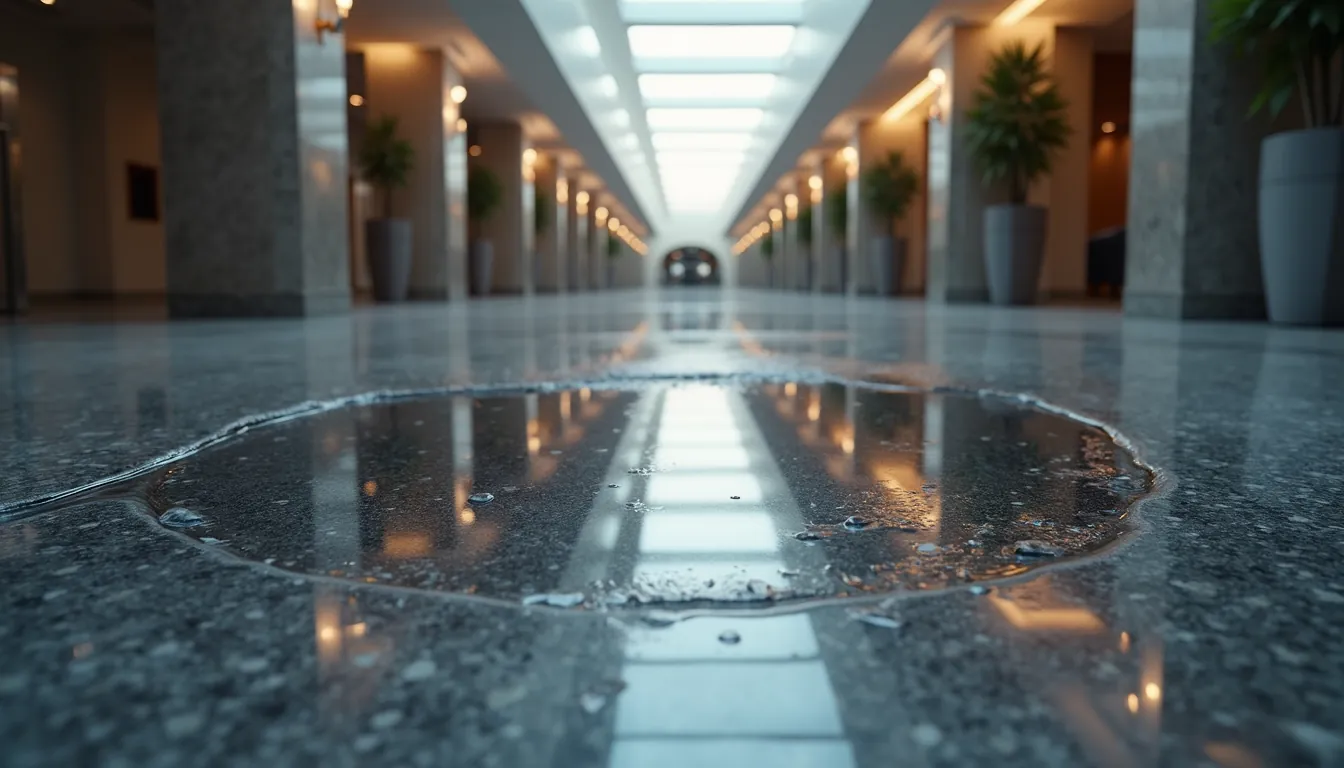
Wet floor accidents are very common, especially in places like grocery stores, restaurants, or offices. These accidents happen when a floor becomes slippery due to spills, leaks, or cleaning. A wet floor accident can cause serious injuries.
When you’re dealing with a wet floor accident, your slip and fall lawyer will focus on showing that the property owner either created the wet condition, knew about it and didn’t fix it, or should have known about it. This is key to proving their negligence.
H3: How Wet Floors Become Dangerous
Wet floors can become dangerous in many ways. A leaky refrigerator in a supermarket can create a puddle that sits for hours. A restaurant employee might spill a drink and forget to wipe it up right away.
Cleaning crews sometimes leave floors wet without proper warning signs. All these situations can lead to a dangerous slip and fall accident. The property owner must take steps to prevent these hazards.
H3: What the Property Owner Should Have Done
Property owners have a responsibility to keep their floors safe. This means regularly checking for spills and promptly cleaning them up. If a spill happens, they should put up clear “wet floor” signs to warn people.
They should also fix any leaks that cause wetness. If they fail to do these simple things, they might be held responsible for your injuries. A slip and fall lawyer will look into whether these steps were ignored.
H4: Examples of Negligence in Wet Floor Cases
- Example 1: The Grocery Store Spill
- Imagine you’re in a grocery store, and a jar of pickles has broken, creating a large, slippery mess. The store manager was told about the spill an hour ago but got busy and didn’t send anyone to clean it up or place a cone. You slip and break your wrist.
- Here, the store breached its duty by not cleaning the known hazard promptly. Your slip and fall lawyer would argue that if they had acted reasonably, your accident wouldn’t have happened. They would use witness statements and store incident reports to prove this.
- Example 2: The Restaurant Bathroom
- You are at a restaurant, and the bathroom floor is constantly wet around the sink due to a leaky faucet. The restaurant staff knows about the leak but hasn’t fixed it for weeks. You enter the bathroom, slip on the wet floor, and hit your head.
- This is a clear case of failing to maintain the property safely. Your slip and fall lawyer would gather evidence of the long-standing leak and lack of repairs to show the restaurant’s negligence. They might even check local health codes.
H3: Gathering Evidence for a Wet Floor Accident
After a wet floor accident, gathering evidence quickly is vital. This proof helps your slip and fall lawyer build a strong case for you. The more evidence you have, the better your chances of success.
It’s important to remember that evidence can disappear quickly. A puddle can dry up, or a warning sign might be put out after you’ve fallen. Acting fast is key.
H4: Key Types of Evidence
- Photos and Videos: If possible, take pictures or videos of the wet area, the lack of warning signs, and your injuries. Show the size of the puddle and what caused it. Your slip and fall lawyer will use these as visual proof.
- You should also capture the surrounding area to show context. For instance, take a picture of the aisle number or the store name. This helps confirm the exact location of the wet floor accident.
- Witness Statements: Did anyone see you fall or see the wet condition before your accident? Get their names and contact information. Their statements can confirm what happened.
- Your slip and fall lawyer can contact these witnesses later to get a formal statement. This strengthens your claim by having independent people back up your story.
- Maintenance Logs: Large businesses often keep records of when they clean or inspect areas. These logs might show that the area wasn’t cleaned recently. Your slip and fall lawyer can ask for these records.
- If the logs show that the floor was supposed to be checked every hour but wasn’t, this proves a breach of duty. It directly supports your argument of negligence in the wet floor accident.
- Warning Signs (or Lack Thereof): Was there a “wet floor” sign? If not, take a photo showing its absence. If there was a sign but it was placed far away or hard to see, document that too.
- The placement and visibility of warning signs are very important. A slip and fall lawyer will assess if the warning was reasonable and effective.
- Incident Reports: After your fall, the business might create an internal incident report. Ask for a copy of this report. It records the date, time, and basic facts of the accident.
- While you might not get it right away, your slip and fall lawyer can request it formally. This report can contain important details that help your ice slip liability claim.
Proving Fault in Ice-Related Accidents
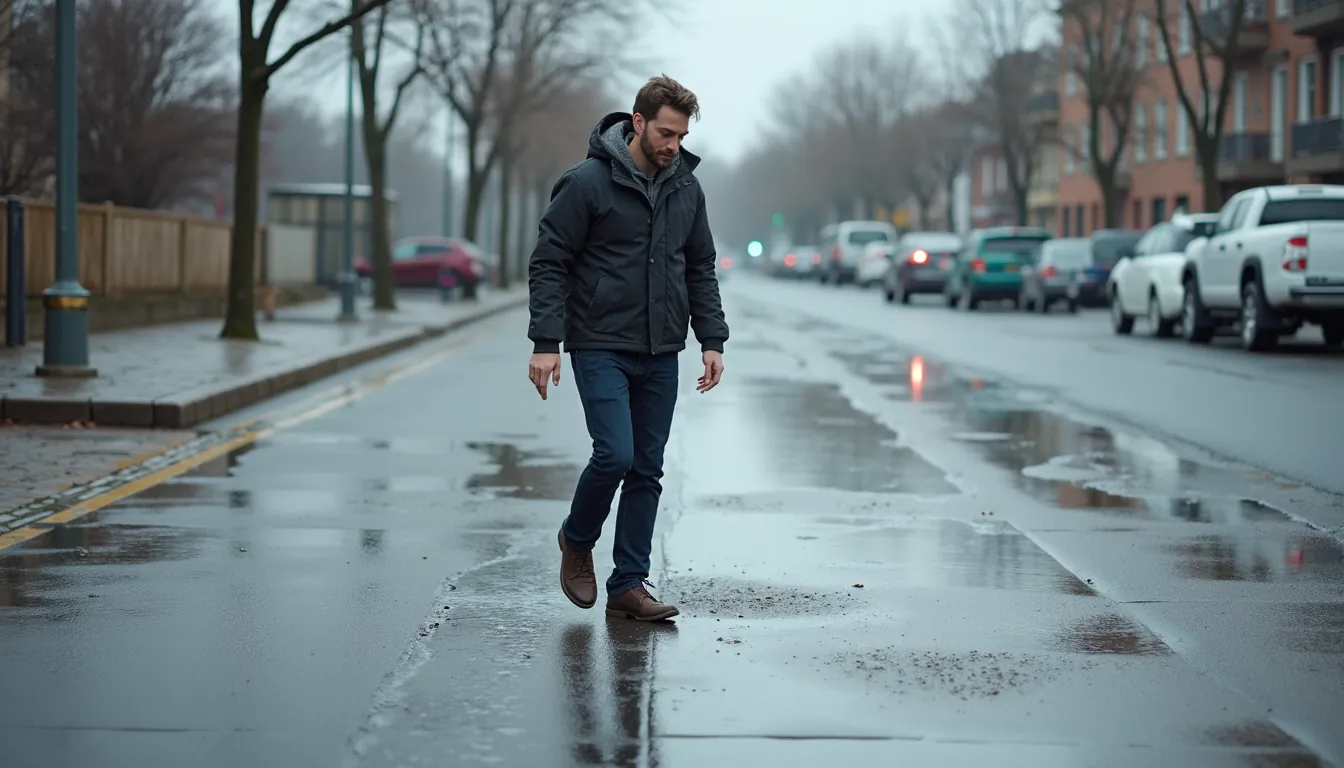
Ice-related accidents are another common type of slip and fall, especially in colder climates. These often happen on sidewalks, parking lots, or building entrances. Proving ice slip liability means showing the property owner failed to deal with ice safely.
Property owners have a duty to remove snow and ice from their property in a reasonable amount of time. If they don’t, and you get hurt, they could be held responsible. Your slip and fall lawyer will investigate these details.
H3: How Ice Creates Dangerous Conditions
Ice can form from falling snow, freezing rain, or even melting snow that refreezes overnight. These conditions create extremely slippery surfaces that are hard to see. Even a thin layer of “black ice” can be very dangerous.
Property owners must be proactive about these weather conditions. They should not wait until someone falls to take action. This is a key part of their responsibility in preventing an ice slip liability situation.
H3: Property Owner’s Responsibility for Ice Removal
Many places have rules about how quickly snow and ice must be cleared. These are called local ordinances. For example, a city might require sidewalks to be cleared within 24 hours of a snowfall.
Property owners should spread salt, sand, or other melting agents to prevent ice formation. They also need to clear paths and provide safe access to their buildings. A failure to do so can lead to an ice slip liability case.
H4: Examples of Negligence in Ice Cases
- Example 1: The Untreated Sidewalk
- It snowed heavily two days ago, and the sidewalk in front of a commercial building has not been cleared or salted. You are walking past, slip on a patch of thick ice, and suffer a concussion.
- Here, the property owner likely breached local ordinances and their general duty to clear the path. Your slip and fall lawyer would check local laws and gather weather reports to show the owner had ample time to act.
- Example 2: The Icy Parking Lot
- During a cold snap, melted snow from a large pile refroze into a treacherous sheet of ice in a shopping mall’s parking lot. Despite several hours passing, no salt was applied, and no warnings were posted. You get out of your car, slip, and break your leg.
- This shows a failure to maintain a safe environment, especially in predictable winter conditions. A slip and fall lawyer would investigate the mall’s snow removal plan and employee testimonies to establish ice slip liability.
H3: Evidence for an Ice Slip Liability Case
Similar to wet floor accidents, gathering specific evidence for an ice slip liability claim is crucial. Ice can melt, and conditions change quickly. This makes fast action even more important.
Your slip and fall lawyer knows exactly what kind of evidence to look for in these cases. They understand how to build a strong argument about the property owner’s lack of care. Don’t hesitate to contact them for legal help.
H4: Key Types of Evidence for Ice Accidents
- Weather Reports: Official weather reports from the time of your accident are very important. They can show when snow or freezing rain occurred and what the temperatures were. This proves the property owner had notice of the conditions.
- A slip and fall lawyer will use these reports to show how long the ice had been there. This helps determine if the property owner had a reasonable amount of time to clear it.
- Photos and Videos: Take pictures of the ice, showing its thickness and how widespread it is. Also, photograph the area around the ice, including entrances and warning signs (or the lack thereof).
- These visual records are strong proof of the dangerous condition at the exact time of your fall. They can clearly show the extent of the ice slip liability issue.
- Testimony About Property Owner’s Actions (or Inaction): Did anyone see the owner or their staff trying to clear the ice? Or did they see them doing nothing? Witness statements here are vital.
- Your slip and fall lawyer can interview these witnesses to gather statements about what they observed. This provides direct evidence of the owner’s efforts or lack thereof.
- Local Ordinances for Snow/Ice Removal: As mentioned, many cities have specific laws about clearing snow and ice. Your slip and fall lawyer will research these laws to see if the property owner broke them.
- Breaking a local ordinance is strong evidence of negligence and helps establish ice slip liability. It shows a clear failure to follow community safety rules.
- Previous Complaints: Has anyone else complained about ice or lack of snow removal at this location before? If so, this shows the owner knew about a potential problem but didn’t fix it.
- Your slip and fall lawyer can investigate if there’s a history of similar issues. This can show a pattern of neglecting safety, strengthening your ice slip liability claim.
The Role of a Slip and Fall Lawyer
When you’re injured in a wet floor accident or an ice slip liability situation, the legal process can feel overwhelming. This is exactly where a slip and fall lawyer becomes your most valuable ally. They handle the complex parts so you can focus on getting better.
Their expertise helps you navigate the system, from gathering initial evidence to dealing with insurance companies. You don’t have to face this challenge alone; they are there to represent your best interests.
H3: Thorough Investigation and Evidence Gathering
One of the first things a slip and fall lawyer does is conduct a thorough investigation. They don’t just take your word for it; they dig deep to find all the facts. This includes visiting the accident site if possible and collecting all available evidence.
They will gather photos, videos, witness statements, and any other documents needed. This detailed work is crucial for building a strong case and proving the property owner’s negligence.
H3: Expert Legal Knowledge
A slip and fall lawyer has a deep understanding of premises liability laws. These are the laws that say property owners must keep their land safe. They know which laws apply to your specific wet floor accident or ice slip liability case.
They also understand past court decisions, called precedents, that can help your case. This legal expertise is vital for arguing your claim effectively.
H3: Negotiation with Insurance Companies
After an accident, you will likely deal with the property owner’s insurance company. These companies often try to pay as little as possible or deny claims entirely. They might try to say the accident was your fault.
Your slip and fall lawyer knows how to talk to these insurance companies. They will negotiate on your behalf to get you a fair settlement. This takes the pressure off you and ensures you’re not taken advantage of.
H3: Litigation if Necessary
Sometimes, insurance companies won’t agree to a fair settlement. In these cases, your slip and fall lawyer is prepared to take your case to court. They will represent you in front of a judge and jury.
While most cases settle outside of court, having a lawyer ready for trial shows the insurance company you are serious. This can often lead to a better settlement offer.
H3: Calculating Damages
It can be hard to put a number on all the losses you’ve suffered. Your slip and fall lawyer will help you calculate all your damages accurately. This includes not just your immediate costs but also future expenses.
They consider medical bills, lost wages, and even non-economic damages like pain and suffering. This complete picture ensures you seek full and fair compensation for your injuries.
Common Defenses Property Owners Use
When you make a claim for a wet floor accident or an ice slip liability, the property owner or their insurance company will often try to say it wasn’t their fault. They have common arguments they use to try to avoid paying you. Your slip and fall lawyer is ready for these defenses.
It’s important to know what these arguments are so you’re not surprised. Your lawyer will help you respond to each one effectively.
H4: “You Weren’t Looking Where You Were Going.”
This is a very common defense. The property owner might try to blame you, saying you were distracted or not paying attention. They’ll argue that if you had been more careful, you wouldn’t have fallen.
Your slip and fall lawyer will counter this by showing the extreme danger of the condition. They will argue that even a reasonably careful person could have missed the hazard.
H4: “The Danger Was Obvious.”
Property owners might claim that the wet floor or ice was so clear and obvious that you should have seen it. If a danger is truly open and obvious, it can sometimes lessen their responsibility.
However, what seems “obvious” to one person might not be to another. Your slip and fall lawyer will argue that even if it was somewhat visible, it was still a hidden trap or not properly marked.
H4: “It Wasn’t Our Fault; Someone Else Made the Mess.”
In some cases, the owner might say that a spill was recent or made by another customer, and they didn’t have time to clean it. For ice, they might say it just formed. They want to show they couldn’t have known or acted.
Your slip and fall lawyer will investigate how long the danger was there. They’ll argue that even if it was a new mess, the owner still had a duty to regularly inspect and clean.
H4: “You Weren’t Hurt That Badly.”
Insurance companies sometimes try to minimize your injuries. They might suggest your injuries aren’t as severe as you claim or that they existed before the accident. They want to pay you less money.
Your slip and fall lawyer will present your medical records and doctor’s statements. They will show the full extent of your injuries and how they have impacted your life.
What to Do After a Slip and Fall Accident
Knowing what to do immediately after a slip and fall accident can greatly help your case. Your actions in the first few hours or days are very important. This is especially true before you contact a slip and fall lawyer.
Following these steps will help you gather critical information and protect your rights. Remember, staying calm and methodical is key.
H3: Seek Medical Help Immediately
Your health is the most important thing. Even if you think your injury is minor, see a doctor. Some injuries, like concussions or soft tissue damage, might not show up right away.
Medical records are crucial evidence. They link your injuries directly to the accident. Your slip and fall lawyer will use these records to prove the extent of your damages.
H3: Report the Incident
Tell a manager or the property owner about your fall right away. Ask them to create an incident report. This officially records that the accident happened at their location.
Make sure you get a copy of this report. If they refuse to give you one, note down who you spoke to and when. This is important information for your slip and fall lawyer.
H3: Gather Evidence at the Scene
If you can, take photos or videos of everything. This includes the wet floor or ice, any warning signs (or lack of them), and the surrounding area. Get pictures from different angles.
Also, look for witnesses. Ask for their names and phone numbers. Their testimony can be invaluable for your wet floor accident or ice slip liability claim.
H3: Don’t Make Official Statements
You might be asked by the property owner or their insurance company to give a recorded statement. It’s best not to do this without first talking to your slip and fall lawyer. You might accidentally say something that hurts your case.
They might try to get you to admit some fault or downplay your injuries. Let your lawyer handle all communications.
H3: Contact a Slip and Fall Lawyer
The sooner you contact a slip and fall lawyer, the better. They can start investigating your case immediately, before crucial evidence disappears. They will guide you through every step.
A lawyer can protect your rights and ensure you get fair compensation. They will deal with all the legal complexities so you can focus on healing.
Understanding “Reasonable Care”
We often talk about property owners having to use “reasonable care.” But what does that really mean? It’s not about being perfect, but about being careful enough that most sensible people would agree they did their part.
A slip and fall lawyer spends a lot of time figuring out if a property owner acted “reasonably.” This concept is central to almost every wet floor accident and ice slip liability claim.
H4: What Does “Reasonable Care” Entail?
- Regular Inspections: Property owners should regularly check their premises for dangers. For example, a store might have staff walk through aisles every hour.
- Prompt Cleanup/Repair: If a danger is found, it should be fixed or cleaned quickly. A spill should not sit for hours.
- Warning Signs: If a hazard can’t be fixed immediately, clear warning signs must be put up.
- Anticipating Dangers: Owners should think about what dangers might arise. If it’s raining, they should expect wet floors. If it’s winter, they should expect ice.
H4: How a Slip and Fall Lawyer Assesses This
Your slip and fall lawyer will compare what the property owner did to what a “reasonable” owner should have done. They will look at industry standards, local laws, and the specific facts of your case.
They might ask:
- How long had the dangerous condition existed?
- Did the owner know about it, or should they have known?
- What steps did they take to fix or warn about the danger?
- Were there any company policies that were ignored?
By answering these questions, your lawyer builds a clear picture of whether the property owner was truly negligent.
Types of Damages You Can Claim
When you get hurt in a wet floor accident or an ice slip liability incident, you suffer losses beyond just the pain. These losses are called “damages,” and you can claim money to help cover them. Your slip and fall lawyer will help you identify and calculate all these damages.
Understanding what you can claim is an important part of seeking justice. It ensures you are fully compensated for what you’ve endured.
H3: Medical Bills
This is often the largest part of a claim. It includes all costs related to your treatment. Think about emergency room visits, doctor’s appointments, surgeries, medications, and physical therapy.
Even future medical costs, like ongoing therapy or specialist visits, can be included. Your slip and fall lawyer will work with your doctors to project these expenses.
H3: Lost Wages
If your injuries kept you from working, you can claim the money you lost. This includes salary, hourly wages, and even tips or bonuses you would have earned.
If your injury makes it harder for you to do your job in the future, your slip and fall lawyer can also help you claim “loss of earning capacity.” This covers future lost income.
H3: Pain and Suffering
This refers to the physical pain and emotional distress you experience because of your injury. It’s harder to put a number on this, but it’s a very real part of your suffering.
Things like anxiety, depression, loss of enjoyment of life, and physical discomfort are all part of pain and suffering. A slip and fall lawyer helps you explain to the insurance company or jury how your life has changed.
H3: Other Losses
There are other losses that can also be claimed:
- Property Damage: If your phone broke or your clothes were ruined during the fall.
- Out-of-Pocket Expenses: Costs like travel to doctor’s appointments, childcare while you’re recovering, or special equipment needed for your injury.
- Loss of Consortium: In some cases, your spouse might claim damages for the loss of companionship or support due to your injury.
A skilled slip and fall lawyer will ensure that every single one of your losses is considered. They will fight to get you the full compensation you deserve.
Conclusion
Getting hurt in a wet floor accident or an ice slip liability situation can turn your life upside down. It’s not just about the physical pain; it’s also about the stress of medical bills and lost income. But you don’t have to face these challenges alone.
Proving fault requires careful investigation, strong evidence, and a deep understanding of the law. This is why having a dedicated slip and fall lawyer on your side is so important. They are your guide and advocate throughout the entire process.
They will work tirelessly to build a strong case, negotiate with insurance companies, and fight for the compensation you deserve. If you’ve been injured due to someone else’s carelessness, reach out to a slip and fall lawyer today. They can help you take the first steps toward recovery and justice.